
What would change for your practice if potential clients arrived already trusting you? That’s the promise of referral marketing. Instead of building credibility from zero with every lead, you meet people who come in because someone they trust pointed them in your direction.
We’ll walk through the best referral sources for therapists, why each one works, and steps for turning an unpredictable trickle of referrals into an intentional referral system. We will also clarify the differences between the word of mouth you hope for and the referral process you can actually build.
Referral marketing vs word of mouth
Word of mouth happens on its own. A client is satisfied that they’ve received help, mentions you to a friend who is struggling, and that friend reaches out. It’s a meaningful way to build business, but you can’t plan around it. You can only hope it happens.
Referral marketing is purposeful. It makes it easy for the people who already trust you, such as former clients, colleagues, and other providers, to send the right person your way. This might be a note on your website about who you work with, a simple way for a fellow therapist to pass along your information, or an established relationship with a physician who knows you’d be a good fit for their patient. Word of mouth is the reward for good work, and referral marketing is the practice of making that good work easy to act on.
The point is not to turn relationships into transactions. It’s to remove the friction that keeps a willing referrer from following through.
Why referrals work so well in therapy
Referrals suit therapy work because trust, the element most marketing struggles to manufacture, is present from the start. A few of these benefits are obvious, but others become clear only once you’re up and running.
- Clients arrive ready to trust you: Someone a referred client respects has vouched for you, which lowers their guard before the first session begins. That head start matters in a field in which the working relationship is the work. The therapeutic alliance forms faster when trust is already present.
- The fit tends to be better: When a colleague or former client sends someone your way, they have quietly done the screening for you. They know your style, they know the kind of work you do well, and they refer the person who actually needs it. The result is fewer early dropouts and clients who stay because they landed in the right place.
- Referrals safeguard the time you have: A solo or small practice does not have hours to chase leads that go nowhere. Referrals come prequalified, so the energy you would spend educating and convincing a cold inquiry is energy you keep for the work itself. The return is measured in new clients and in how you use your energy.
- You can reach people through care instead of surveillance: Most digital marketing finds customers by following them through tracking pixels, retargeted ads, and inferences drawn from search bar terms. A referral does the opposite. The client finds you because a trusted figure pointed the way, not because an algorithm decided they were struggling with anxiety.
- Referrals build your name where it counts: Every good referral is a quiet endorsement, and endorsements compound. When you become the therapist a particular physician or school counselor trusts and thinks of first, your reputation grows within your future clients’ networks. Reach centers on being known by the right people, rather than being seen by everyone.
- You can strengthen the relationships you already have: Referring someone is an act of trust. Each time a former client or colleague sends someone your way, they reaffirm their belief that you provide quality care. The relationship deepens in both directions.
- A single referral can grow into many: A good referrer rarely refers only once. The colleague who sends you a strong fit tends to send another. The client who feels you genuinely helped them becomes the person who recommends you for years. Over time, a few reliable sources quietly become the backbone of a full practice without a commensurate rise in the effort required to sustain them.
Where therapist referrals come from
Referrals come from different sources, and the strongest practices draw from more than one. Think of these less as individual contacts and more as networks that let you build a presence over time.
Other healthcare providers
Physicians, pediatricians, and psychiatrists are already trusted with sensitive information about their patients’ lives, which lends weight to their recommendations. When a trusted primary care doctor tells a patient to see you, that patient takes the referral seriously.
The way to earn these referrals is to make them easy for the provider. This involves a clear practice focus the provider can remember and a simple, reliable way to send someone your way. A few strong relationships can outperform advertising because the doctor is sending the right person, not a group of random people.
Other therapists and mental health professionals
It is tempting to see other therapists as competition, but they are really more like colleagues. A therapist who has a full practice, is out of network, or has clients with needs outside their specialty has to send people somewhere, and they would prefer to send them to someone they trust. These tend to be the highest-fit referrals you will get because the referrer understands your style and your specialty better than any other source could.
Building a peer network with therapists whose work you respect and who understand yours gives you a steady source of clients who are already well matched to your practice.
Directories and online search
Some people don’t wait for a referral. They sit at their computers actively searching for help, and they end up on directories built for that moment, such as Psychology Today, TherapyDen, and similar platforms. The people who find you this way are different from other referrals because no one has vouched for you, but they share the same valuable trait of arriving with intent. They are looking for someone like you.
Beyond the large national directories, it is also worth finding niche listings run by community centers, hospital networks, or condition-specific organizations where a smaller, better-matched audience is looking for precisely what you offer. Creating a complete, specific profile that identifies the kind of people you help does most of the work.
Current and former clients
The clients you have helped are, understandably, among the most likely to send others your way. Someone who feels genuinely heard will mention you to a friend or family member who is struggling, and that recommendation carries the weight of lived experience. This is also the source to handle with the most care. Paying clients for referrals or offering them rewards is ethically and legally fraught for therapists, and it can quietly damage the trust on which the referral should be built.
The better approach is to make it easy and natural for a satisfied client to pass your name along when they choose to: a website that tells a friend what to expect, a simple way to get in touch, and care that’s worth mentioning. Let the referral be a genuine recommendation rather than a transaction.
Schools, community organizations, and events
Some of the best referral relationships form around the places where people gather to deal with everyday life. School counselors, college wellness centers, and local organizations regularly meet people who need more support than they can provide in-house, and they need trusted outside therapists to send them to.
Becoming the therapist that one counselor or community leader trusts often opens the door to many more because you don’t just reach individuals; you become well known within a community.
How to build a referral system
The following moves apply across all the referral sources we’ve described, and they share a single idea: A referral is borrowed trust, and your job is to be worthy of it from the first moment of contact.
- Be specific about who you help: A referrer can’t send you the right person if they’re not sure about your specialty. “I see adults” is forgettable, but “I work with healthcare workers facing burnout” is something a physician can remember and repeat. The narrower and clearer your focus, the easier you are to refer to.
- Make the path to reach you short and clear: When a colleague chooses you for a referral, they should be able to find your contact information in seconds and know exactly what to do with it. Anything that adds friction, such as an outdated phone number, a contact form that never gets answered, or a vague website, costs you referrals that you’ve earned.
- Build relationships before you need them: The therapist who comes to mind when a physician has a patient to refer is usually the one who introduced themselves months earlier, not the one who reached out the week they had openings. Referral networks reward presence over time. A brief note, an occasional check-in, a coffee with a fellow clinician: These are quiet investments that pay off when someone is deciding where to send a person in need.
- Close the loop with the people who refer: When a referral comes in, let the referrer know it landed, within the limits of confidentiality. A simple thank-you tells them the handoff worked and makes them far more likely to do it again. Referrers keep sending people to someone who clearly received the last one with care.
- Make the first step easy and secure: A referred client arrives ready to trust you, but a clumsy intake can cool that trust fast. Long paper forms, an unclear booking process, or uncertainty about how their sensitive information is handled can introduce doubt at the exact moment you want to feel like a safe choice. Whether you practice in person or as an online therapist, a smooth and secure first step honors the trust the referrer extended.
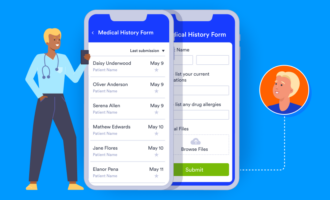
This is where the right intake tools matter. Jotform offers HIPAA-enabled online forms and a business associate agreement so you can safely collect health information from the start. Ready-made therapist form templates let you set up mental health intake forms, therapy booking forms, and appointment requests without having to code. This gives newly referred clients a calm, professional first experience instead of a stack of paperwork.
Turning referrals into a steady pipeline
Referrals will never be entirely predictable, but they run on something real: the judgment of individuals who know your work and choose to put their name behind it. What you can do is build the conditions that let those referrals happen more often and reach the right people when they do.
If you’re clear about whom you help, make yourself easy to refer to, cultivate relationships before you need them, and ensure that the moment a referred client reaches out, the experience honors the trust that sent them, referrals stop being a happy accident and start being a quiet, dependable part of growing your practice.
It’s also worth paying attention when that flow slows because a drop in referrals is rarely random. It usually points to something worth examining in the experience you provide, the relationships that have gone quiet, or the path a referrer has to follow to reach you. Referrals are, in the end, reflections of the trust you have earned. Build that trust and protect it at every step, and the people who believe in your work will keep sending others toward the care they need.
This article is for therapists, private practice owners, mental health professionals, and anyone who wants to build a reliable referral marketing system that brings in better-fit clients through trusted professional and community relationships.


































































































Send Comment: